
Most organizations aren’t lacking effort.
They’re lacking alignment.
In a recent Zoom session with a group of publishers—where I walked through a KPI-driven growth framework (you can view the full deck Gamma here)—a consistent pattern emerged:
Teams were busy.
But growth wasn’t compounding.
Campaigns were running. Content was flowing. Dashboards were updating.
Yet the underlying system wasn’t producing predictable outcomes.
That’s because activity is not the same as a growth engine.
A real growth engine is not a collection of tactics.
It’s a system.
What “Activity” Looks Like vs. a Growth Engine
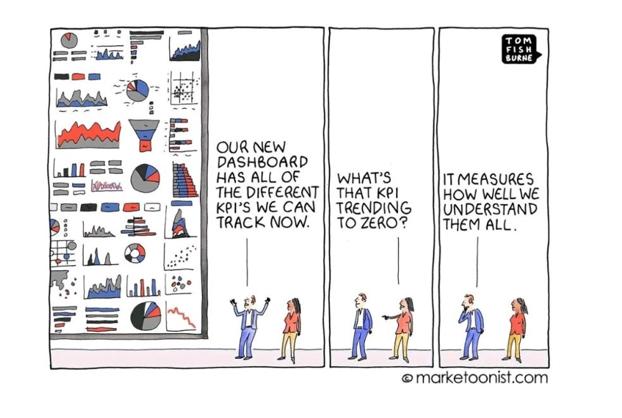
Activity-driven organizations:
- Marketing optimizes campaigns
- Product ships features
- Editorial produces content
- Ops manages workflows
All moving… but not necessarily in the same direction.
Growth engine organizations:
- Align on a small set of KPIs
- Build feedback loops around them
- Make decisions with clarity and speed
One of the core ideas from the session:
Most organizations don’t have a growth idea problem—they have a focus and execution problem.
The Turning Point: Focusing on the Right Levers
The biggest shift discussed on the call was moving away from tracking everything—and toward focusing on what actually moves the business.
In the case study shared in the deck, three gaps were holding growth back:
- Conversion Gap: ~700 subscribers per 1M users vs. 1,500–1,800 benchmark
- Audience Quality Gap: 18% in-market users vs. 45–55% target
- Traffic Mix Imbalance: Over-reliance on rented audiences (search/discovery)
The takeaway wasn’t tactical—it was structural:
👉 This wasn’t a traffic problem. It was a system problem.
Once those KPIs were defined, the organization shifted:
- Strategy became focused
- Teams aligned around shared outcomes
- Execution became measurable
What Actually Changes When Growth Becomes Predictable
Predictable growth isn’t luck—it’s structure.
Here’s what changes when a real growth engine is in place:
1. Clear Planning Cadence
Weekly experimentation replaces quarterly guesswork.
Teams operate on learning cycles, not static plans.
2. Shared Metrics Across Teams
Editorial, product, and marketing align around the same KPIs—not siloed goals.
3. Data Visibility
Simple dashboards replace fragmented reporting.
Everyone understands what matters and what needs to change.
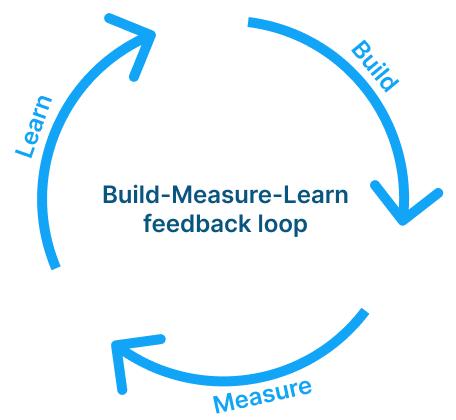
4. Faster Feedback Loops
The real differentiator is velocity.
The teams that win aren’t the ones with the best ideas—they’re the ones who learn faster than everyone else.
The Operating System Behind the Engine
This is where the concept of a KPI-driven growth operating system comes in—something I unpack in more detail in the deck.
It translates strategy into execution across five layers:
- People → Clear ownership of KPIs
- Product → Built for conversion and retention
- Platforms → Channels as conversion engines, not just distribution
- Process → Structured experimentation roadmap
- Performance → Measured against benchmarks, not vanity metrics
When these are aligned, growth stops being reactive—and starts becoming predictable.
The Takeaway
If your organization feels busy but growth isn’t compounding, the answer usually isn’t “do more.”
It’s:
- Pick fewer things that matter
- Align the organization around them
- Increase the speed of learning
Because the difference between activity and a real growth engine is simple:
👉 One keeps you busy.
👉 The other compounds results.
If you want to go deeper into the framework and examples referenced above, you can view the full session deck here:
https://gamma.app/docs/Build-a-KPI-Driven-Growth-Operating-System-l2rjt6lgtt4qa0d